What Is the Difference Between Social Security Disability (SSDI) and Supplemental Security Income (SSI)?

The confusion is understandable. Both programs are administered by the Social Security Administration (SSA), both provide benefits to people with disabilities, and both use the same medical definition of disability. However, that’s where the similarities largely end.
The biggest difference comes down to how you qualify.
· Social Security Disability Insurance (SSDI) is based on your work history and the Social Security taxes you’ve paid while working.
· Supplemental Security Income (SSI) is a needs-based program for individuals with limited income and resources, regardless of their work history.
When someone contacts my office, one of the first things we do is determine which program—or programs—they may qualify for. Some people qualify for SSDI, some qualify for SSI, and some qualify for both.
Let’s take a closer look.
Social Security Disability Insurance (SSDI)
Think of SSDI as an insurance program that you’ve paid into throughout your working career.
Every time you worked and paid Social Security taxes, you earned work credits toward future Social Security benefits, including disability benefits.
If you become disabled before reaching retirement age and have earned enough work credits, you may qualify for SSDI.
In general, many adults who have worked approximately five of the last ten years before becoming disabled have enough recent work credits to qualify. However, the exact requirement depends on your age when your disability began.
To qualify, you must also have a medical condition that:
· Prevents you from performing substantial work.
· Has lasted, or is expected to last, at least 12 months.
· Or is expected to result in death.
How Much Does SSDI Pay?
There is no standard SSDI payment.
Your monthly benefit is based on your lifetime earnings and the Social Security taxes you paid while working. Someone who earned a higher income and paid more into Social Security generally receives a larger monthly benefit than someone with a shorter or lower-paying work history.
You can estimate your potential SSDI benefit by creating a my Social Security account through the Social Security Administration.
Family Benefits
One advantage of SSDI is that certain family members may also qualify for benefits based on your work record.
Depending on your situation, benefits may be available for:
· Your spouse.
· Minor children.
· Certain disabled adult children.
· In some cases, other eligible dependents.
Supplemental Security Income (SSI)
SSI is very different.
Unlike SSDI, you do not need any work history to qualify.
Instead, SSI is designed to help disabled individuals who have limited income and limited financial resources.
Because SSI is a needs-based program, Social Security carefully reviews your financial situation before determining whether you qualify.
To receive SSI, you generally must:
· Meet Social Security’s disability rules.
· Have limited income.
· Have limited resources (such as cash, bank accounts, and certain other assets).
· Meet all other program eligibility requirements.
Many people who have never worked, worked only briefly, or have been out of the workforce for many years may still qualify for SSI if they meet the financial requirements.
How Much Does SSI Pay?
Unlike SSDI, SSI has a federal maximum monthly payment that may change each year based on cost-of-living adjustments.
The actual amount you receive depends on several factors, including:
· Your income.
· Your living arrangements.
· Whether you receive financial support from others.
· Whether your state provides a supplemental payment.
Because these amounts change periodically, it’s important to review the current payment rates when determining eligibility.
Medicare vs. Medi-Cal
Another significant difference between the two programs is healthcare coverage.
SSDI Recipients
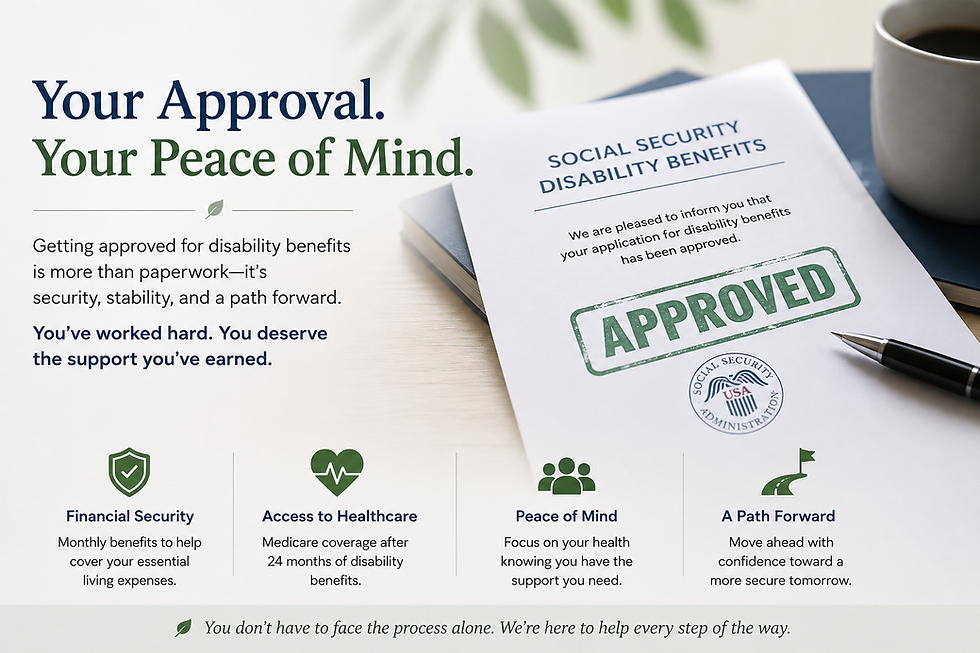
Most individuals approved for SSDI become eligible for Medicare after completing the required waiting period established by federal law.
SSI Recipients
Individuals who qualify for SSI in California generally become eligible for Medi-Cal, which provides comprehensive healthcare coverage.
Some people who qualify for both SSDI and SSI may eventually receive both Medicare and Medi-Cal.
Income and Asset Rules
This is another area where the two programs differ significantly.
SSDI
If you qualify for SSDI, your savings and assets generally do not affect your eligibility.
You may own a home, have retirement accounts, or maintain savings without automatically losing SSDI benefits. However, your ability to work and earn income is subject to Social Security’s work rules.
SSI
SSI has strict financial eligibility requirements.
Social Security reviews both your income and your available resources to determine whether you qualify. Certain assets are excluded under the rules, while others count toward the program’s resource limits.
Because these rules can be complicated, it’s important to have your individual circumstances reviewed before applying.
Can Children Qualify?
Yes—but generally only for SSI.
Children with serious disabilities may qualify for SSI if they meet Social Security’s medical requirements and their household meets the program’s financial eligibility rules.
SSDI generally is not available to children based on their own work history. However, some disabled adult children may qualify for benefits based on a retired, disabled, or deceased parent’s Social Security record.
Can You Receive Both SSDI and SSI?
Yes.
Some individuals qualify for both programs at the same time. This is known as receiving concurrent benefits.
For example, someone who has worked enough to qualify for SSDI but whose monthly SSDI benefit is relatively low may also qualify for SSI if they meet the financial eligibility requirements.
Determining whether concurrent benefits are available requires a careful review of your work history, income, assets, and medical condition.
Which Program Is Right for You?
The answer depends on your individual circumstances.
Your work history, age, medical condition, income, and financial resources all play a role in determining which benefits you may qualify for.
That’s why it’s important to evaluate your situation before filing an application.
We’re Here to Help
Understanding the differences between SSDI and SSI can feel overwhelming, especially when you’re already dealing with a serious medical condition.
If you’re unsure whether SSDI, SSI, or both may be available to you, I’d be happy to answer your questions and help you understand your options.
Disclaimer: The information provided in this article is for general educational and informational purposes only and is not intended as legal advice, medical advice, or a substitute for professional guidance. Reading this article does not create a representative-client relationship. Social Security laws, regulations, policies, and procedures may change over time, and the information presented may not reflect the most current legal or administrative developments. Every case is unique. If you have questions about your specific situation, you should consult with a qualified Social Security disability representative or attorney before making any decisions.