Understanding the Most Common Disability Benefit Programs
Many people have heard terms like State Disability, Social Security Disability, SSI, STD or Long-Term Disability Insurance, but they’re not sure what each program does or whether they qualify.
The good news is that these programs serve different purposes, and in some situations, a person may qualify for more than one at the same time.
Here’s an overview of the disability programs I discuss most often with clients.

1. California State Disability Insurance (SDI)
California’s State Disability Insurance (SDI) program provides temporary wage replacement benefits to workers who are unable to work because of a non-work-related illness, injury, pregnancy, or other qualifying medical condition.
If you work in California, you’ve likely contributed to this program through payroll deductions.
In general:
· Benefits are temporary and may be available for up to 52 weeks, depending on your medical condition.
· Your treating physician or other authorized healthcare provider must certify that you are unable to work.
· Most applications are filed online through the California Employment Development Department (EDD).
Many people receive SDI benefits while recovering from an illness or injury. Others use SDI as temporary income while pursuing a Social Security Disability claim if it becomes clear they will be unable to return to work.
2. Long-Term Disability (LTD) Insurance
Long-Term Disability (LTD) benefits are private insurance benefits that are often offered through an employer or purchased individually.
If you become disabled and meet the policy’s definition of disability, the insurance company may provide monthly income benefits.
It’s important to understand that every policy is different. Many LTD policies contain strict definitions of disability, require extensive medical documentation, and may periodically review your claim.
Another important point is that many LTD policies require claimants to apply for Social Security Disability benefits. If your SSDI claim is approved, the insurance company may reduce its payments or seek reimbursement as allowed under the terms of the policy.
Because these claims can become complicated, many people seek representation if their benefits are denied or terminated.
3. Social Security Disability Insurance (SSDI)
Social Security Disability Insurance (SSDI) is a federal disability benefit administered by the Social Security Administration.
To qualify, you generally must:
· Have worked long enough and recently enough to earn sufficient Social Security work credits.
· Have a medical condition that prevents you from performing substantial work.
· Have a disability that has lasted, or is expected to last, at least 12 months or is expected to result in death.
Your monthly benefit is based on your lifetime earnings and the Social Security taxes you paid while working.
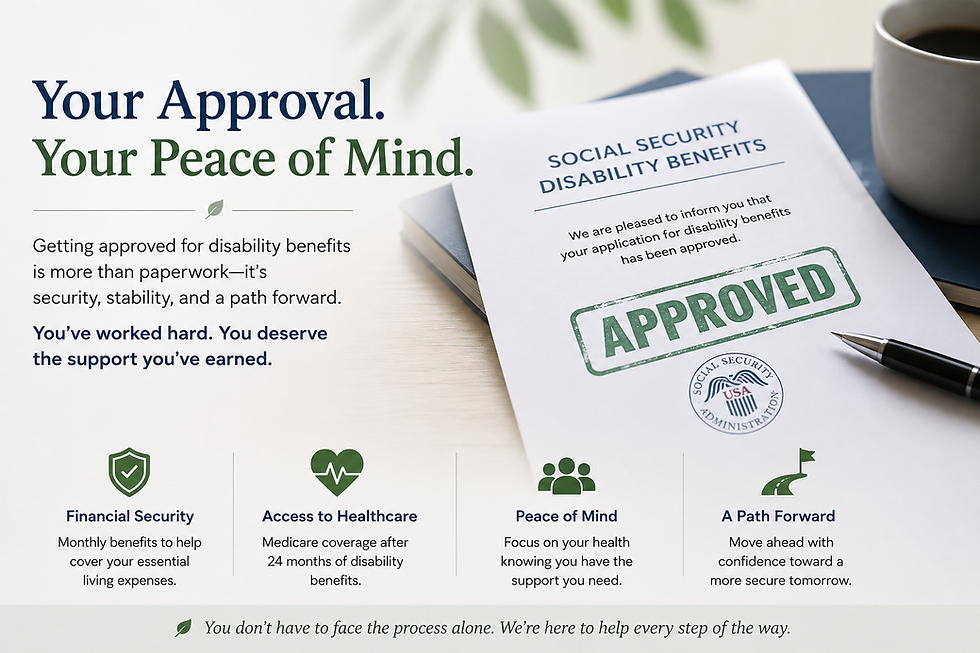
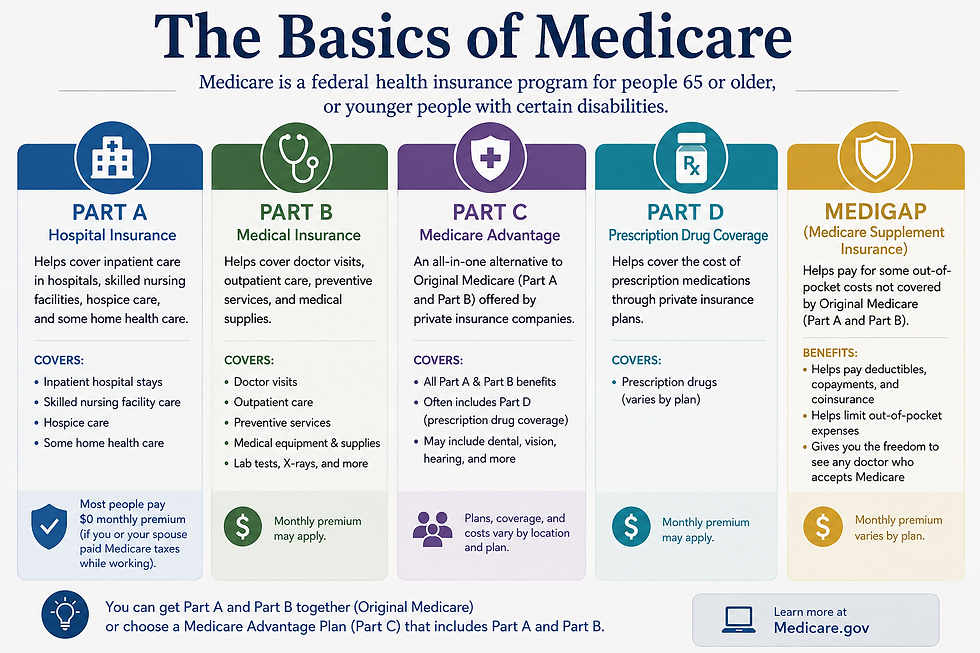
After meeting Medicare’s eligibility requirements, most SSDI beneficiaries also become eligible for Medicare coverage.
4. Supplemental Security Income (SSI)
Supplemental Security Income (SSI) is also administered by the Social Security Administration, but it serves a different purpose than SSDI.
Unlike SSDI, SSI does not require a work history. Instead, eligibility is based on financial need.
To qualify, you must generally:
· Meet Social Security’s disability rules.
· Have limited income and resources.
· Meet the program’s financial eligibility requirements.
SSI is available to both adults and disabled children who meet the medical and financial criteria.
In California, individuals who qualify for SSI generally also qualify for Medi-Cal, providing valuable healthcare coverage.
5. Private Short-Term Disability (STD) Insurance
Some employers offer Private Short-Term Disability (STD) insurance as an employee benefit, and some individuals purchase their own policies.
Like California SDI, private STD insurance provides temporary income replacement if you are unable to work because of a non-work-related illness, injury, surgery, or pregnancy. However, unlike SDI, these benefits are paid through a private insurance company rather than the State of California.
Every policy is different, but most plans:
· Replace approximately 50% to 70% of your income.
· Provide benefits for a limited period, often three to six months, with some policies extending up to one year.
· Require medical documentation supporting your disability.
· May include a waiting period before benefits begin.
California workers are generally covered by the state’s SDI program, so private Short-Term Disability insurance is less common than it is in many other states. However, some employers provide supplemental private coverage that works alongside SDI.
6. Closed Period Disability Benefits
Not every disabling condition lasts forever.
If a serious illness or injury prevents you from working for at least 12 consecutive months, but you later recover and return to work, you may still qualify for a Closed Period of Disability through Social Security.
A closed period claim allows eligible individuals to receive disability benefits for the period they were unable to work, even though they are no longer disabled when the claim is decided.
Many people are surprised to learn this benefit exists and never explore whether they may qualify.
Which Program Is Right for You?
Choosing the right disability program depends on your work history, financial situation, medical condition, and how long your disability is expected to last.
In some cases, you may qualify for multiple programs at the same time. For example, someone may receive California SDI while their Social Security Disability claim is pending, or receive Long-Term Disability benefits in addition to SSDI.
Because every situation is different, it’s important to understand your options before applying.
We’re Here to Help
Navigating the disability system can be confusing, especially when several different programs may apply to your situation.
If you’re unsure which disability program is right for you, I’m happy to answer your questions and help you determine the best path forward.
Disclaimer: The information provided in this article is for general educational and informational purposes only and is not intended as legal advice, medical advice, or a substitute for professional guidance. Reading this article does not create a representative-client relationship. Social Security laws, regulations, policies, and procedures may change over time, and the information presented may not reflect the most current legal or administrative developments. Every case is unique. If you have questions about your specific situation, you should consult with a qualified Social Security disability representative or attorney before making any decisions.